
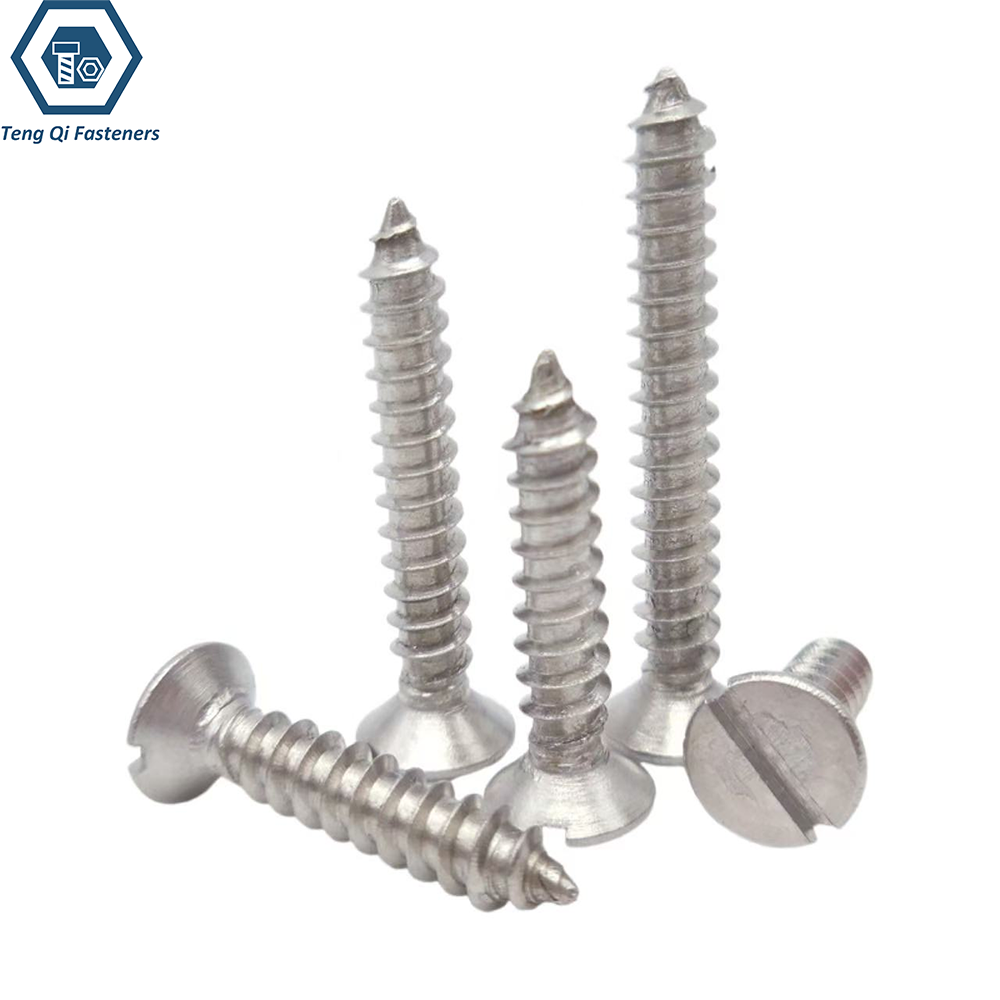
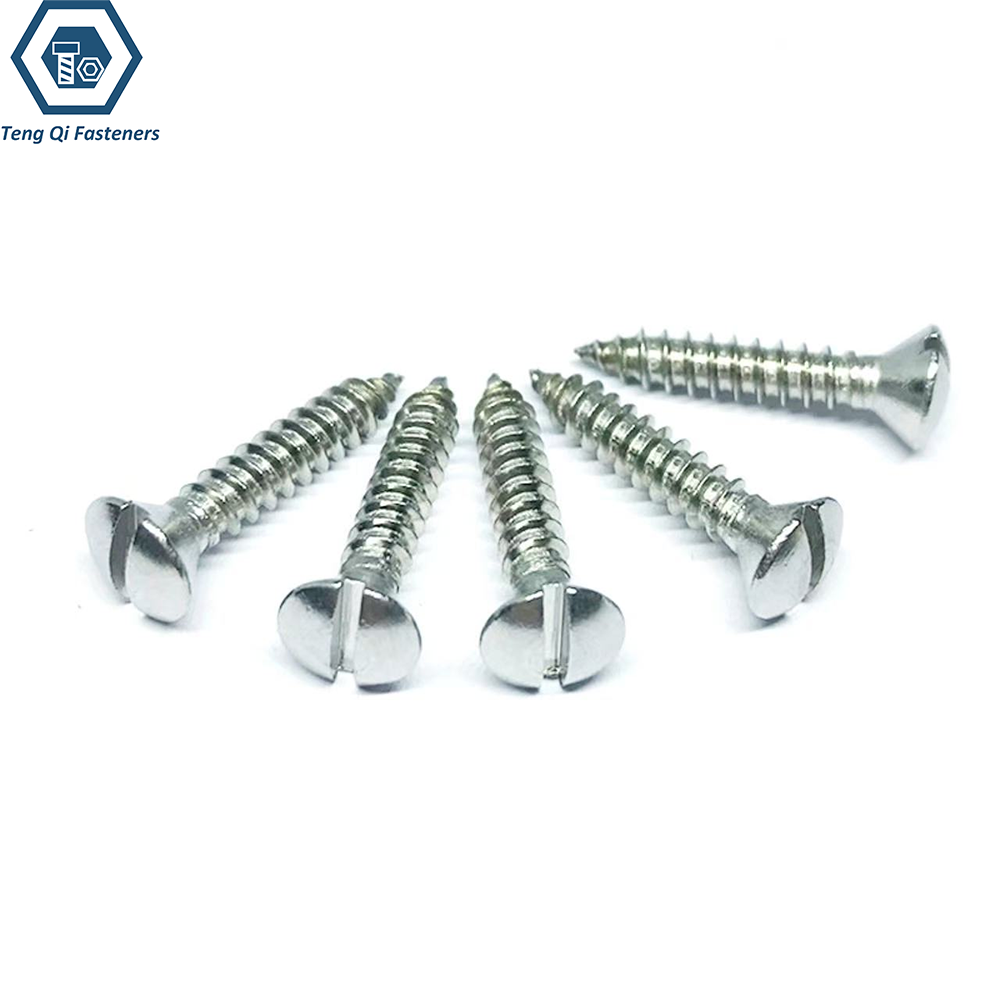
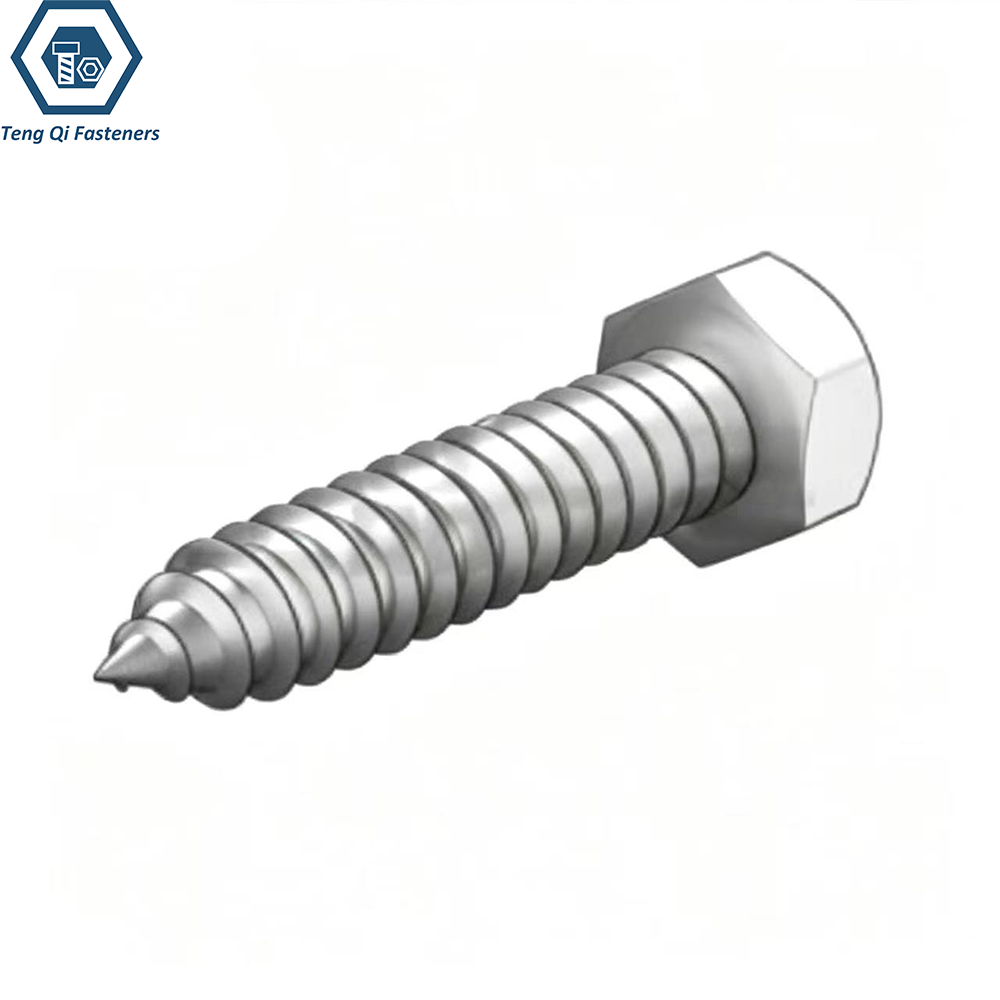
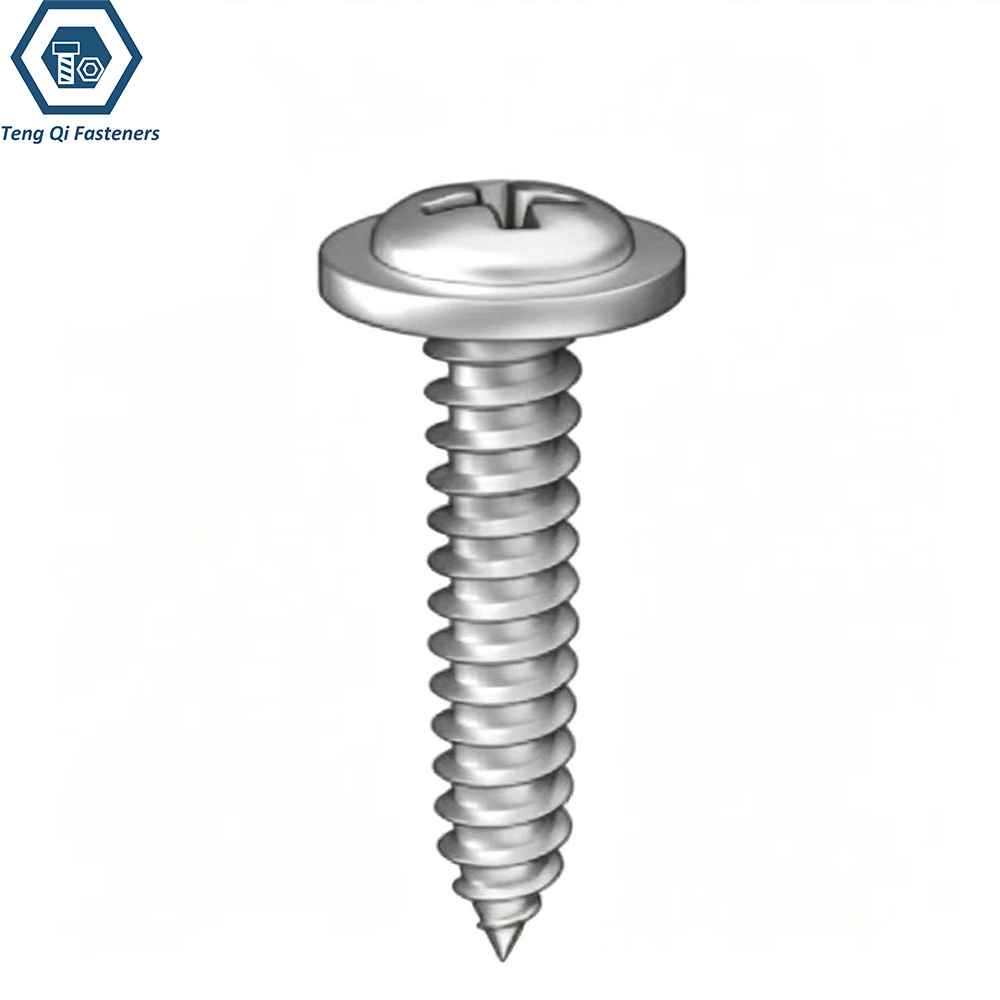
Self Tapping Screws
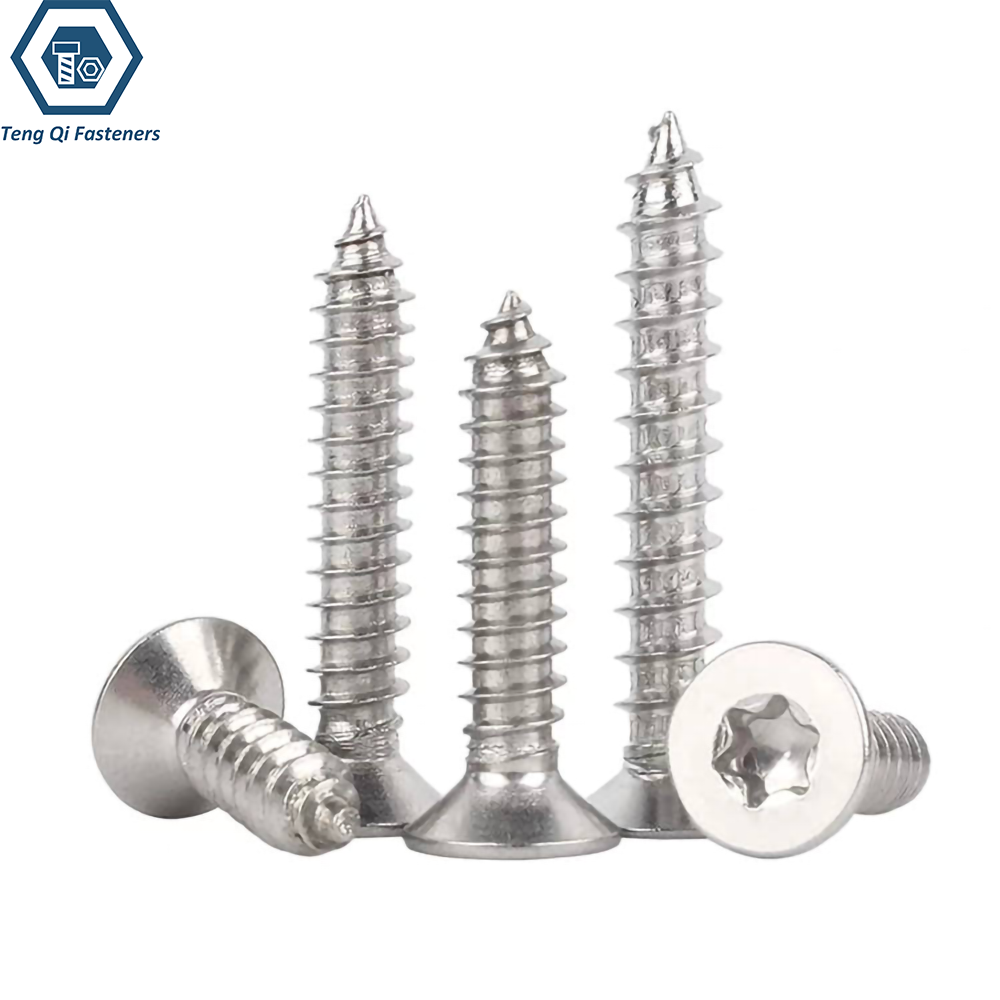
Hexagon socket countersunk head cap screws combine a countersunk head with an internal hexagon drive. The angled underside of the head allows the screw to sit flush or below the surface of the assembled component, while the hexagon socket provides a compact drive for installation where access around the fastener is limited. They are commonly selected when a low-profile finished surface is preferred without using a conventional slotted or Phillips drive.
Our metric hexagon socket countersunk head cap screws are manufactured according to DIN 7991 and ISO 10642, while inch-series sizes are available to ASME B18.3. Specifications can include carbon steel, alloy steel and stainless steel, with different strength classes, thread sizes, lengths and surface finishes available according to the requirements of the application. Dimensions, mechanical properties and production requirements are controlled against the applicable standard to maintain consistency from production through inspection.
Specification:
| Item | Metric Self Tapping Screws | Inch Self Tapping Screws |
|---|---|---|
| Size Range | ST2.2-ST9.5 | #0-1/2" |
| Thread Standard | ISO 1478 | ASME B1.1 |
| Material | Cabon Steel,Stainless Steel | Cabon Steel,Stainless Steel |
| Steel Property Class | ISO 2702 | SAE J933 |
| Stainless Steel Class | ISO 3506-4 | ISO 3506-4 |
| Surface Treatment | Black Oxidation, Zinc Plated, Bright Finish,Passivation | Black Oxidation, Zinc Plated, Bright Finish,Passivation |
| Inspection | Dimension,Thread,Mechanical Proeprty,Coating | Dimension,Thread,Mechanical Proeprty,Coating |
Dimension Standard:
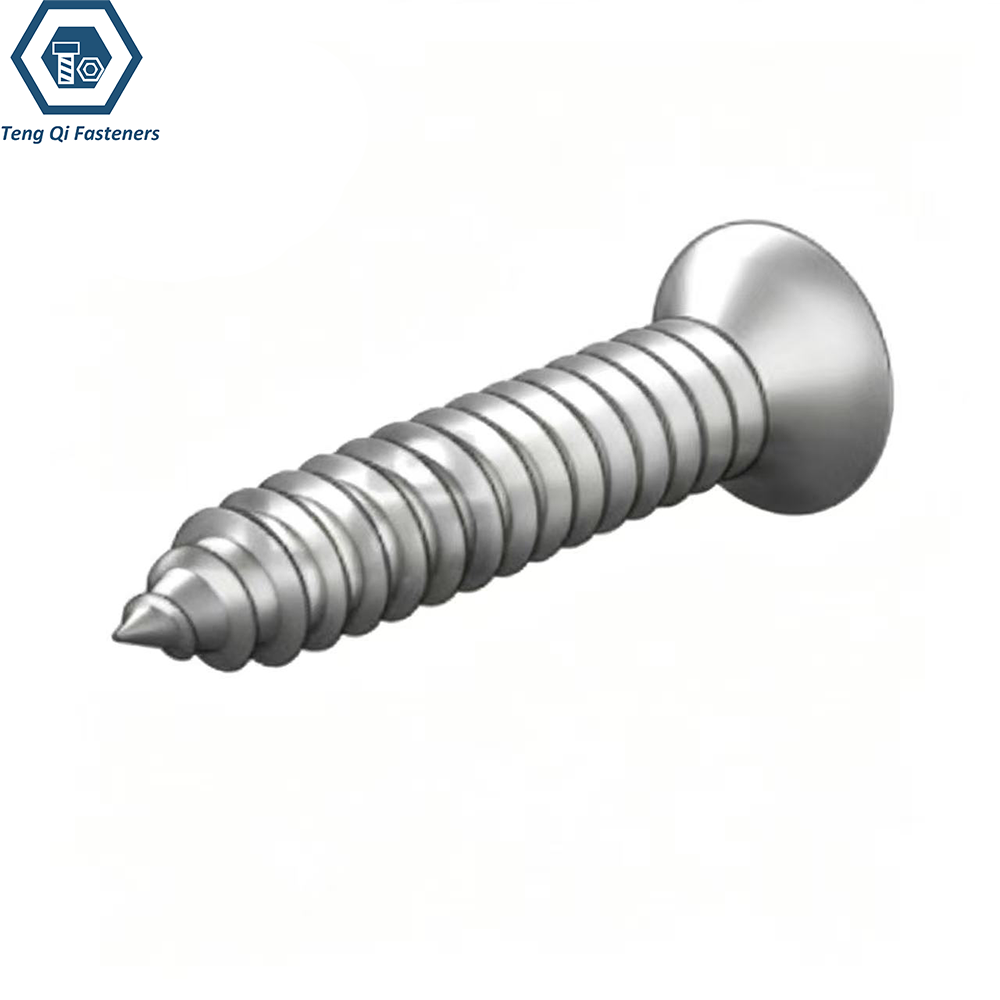
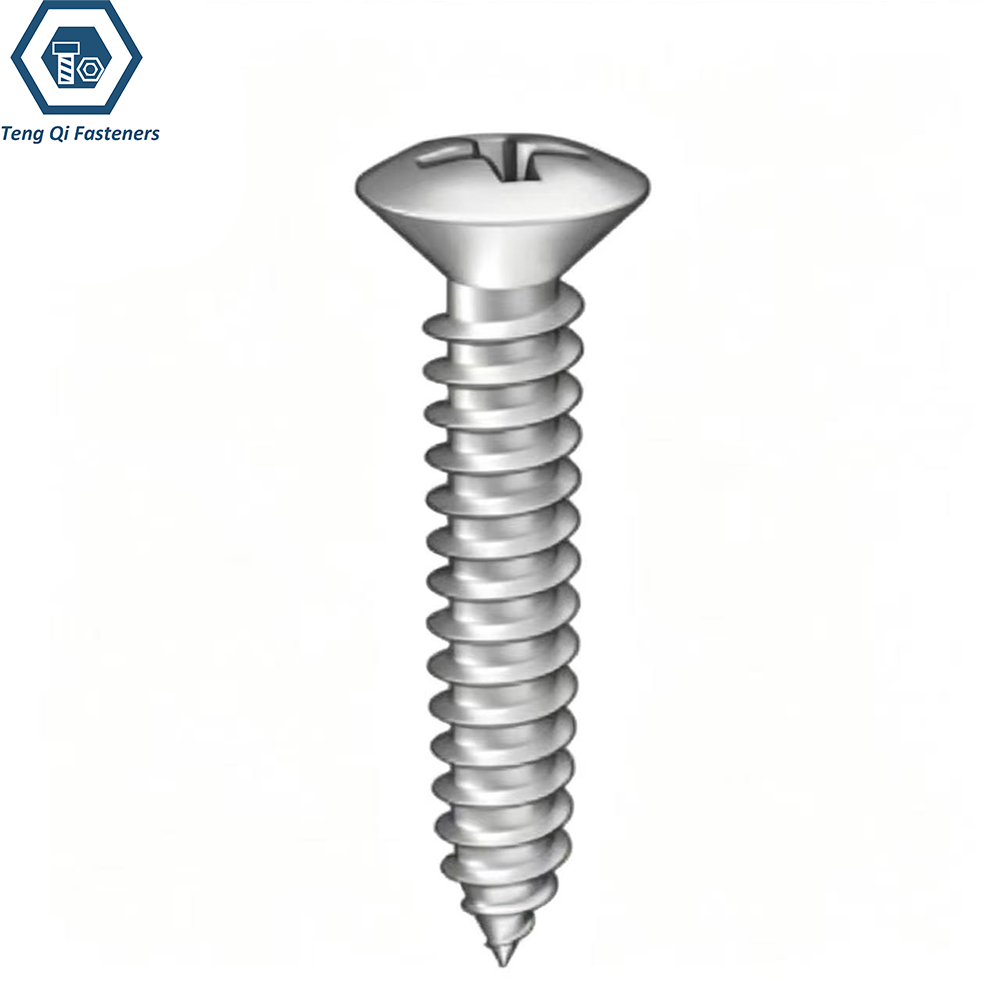
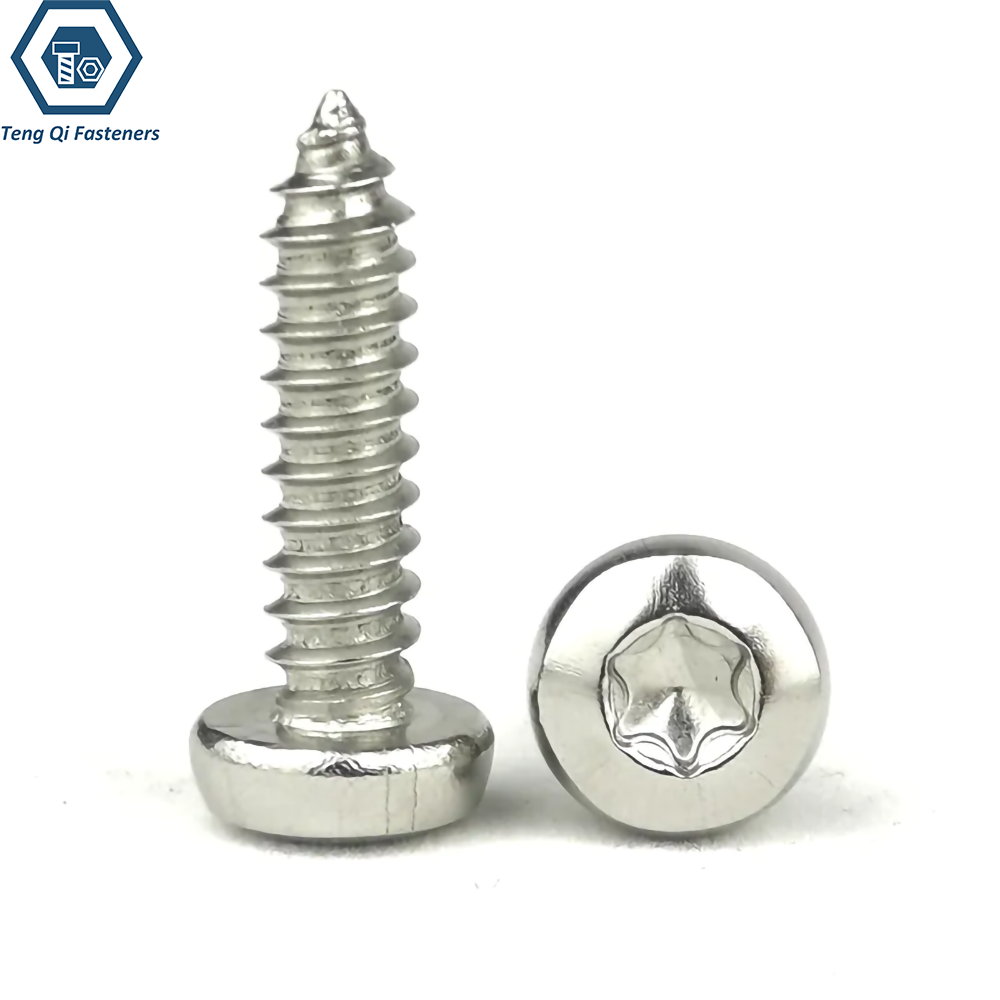
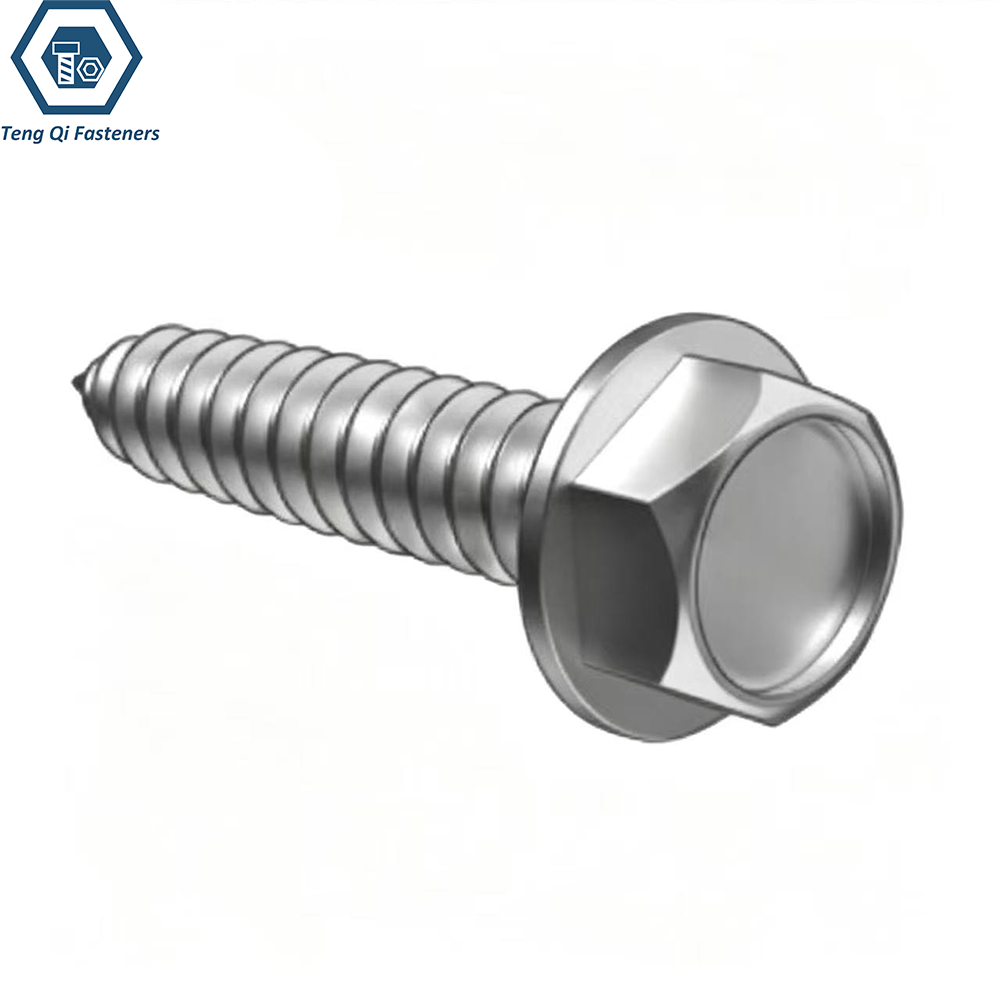
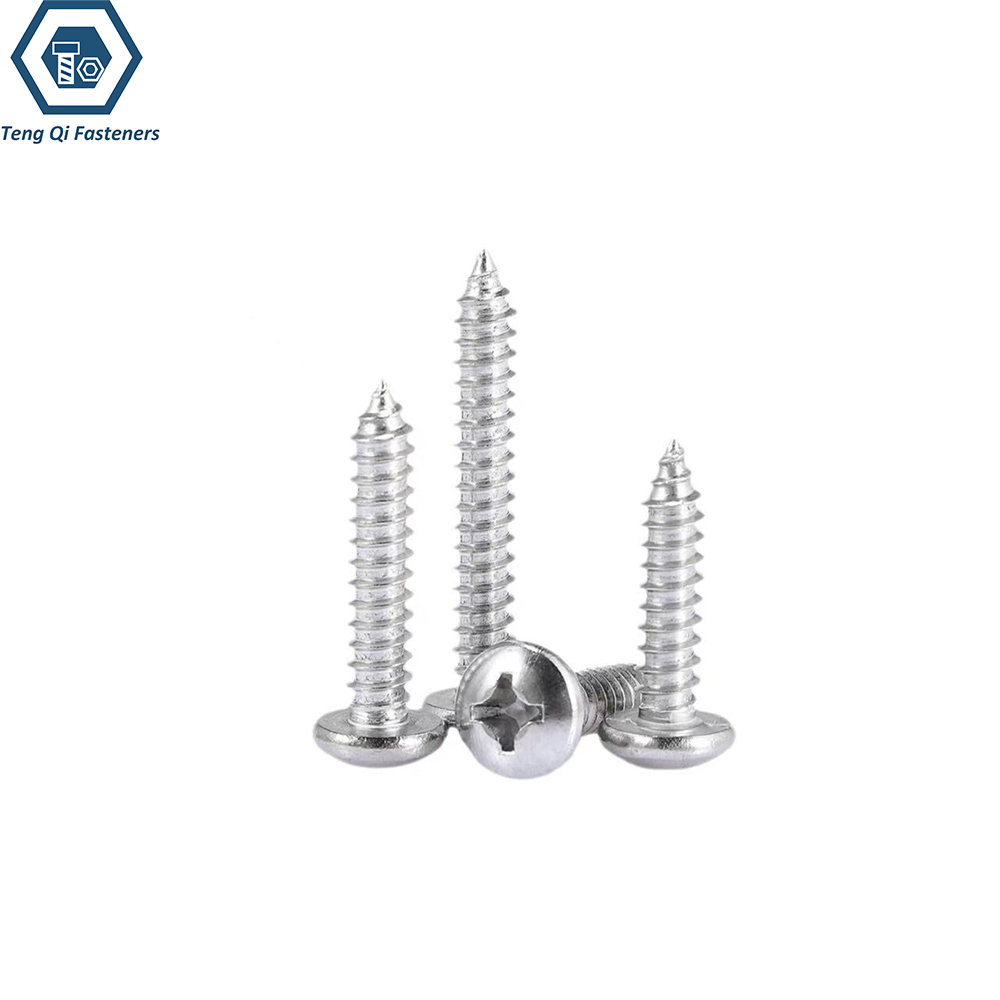
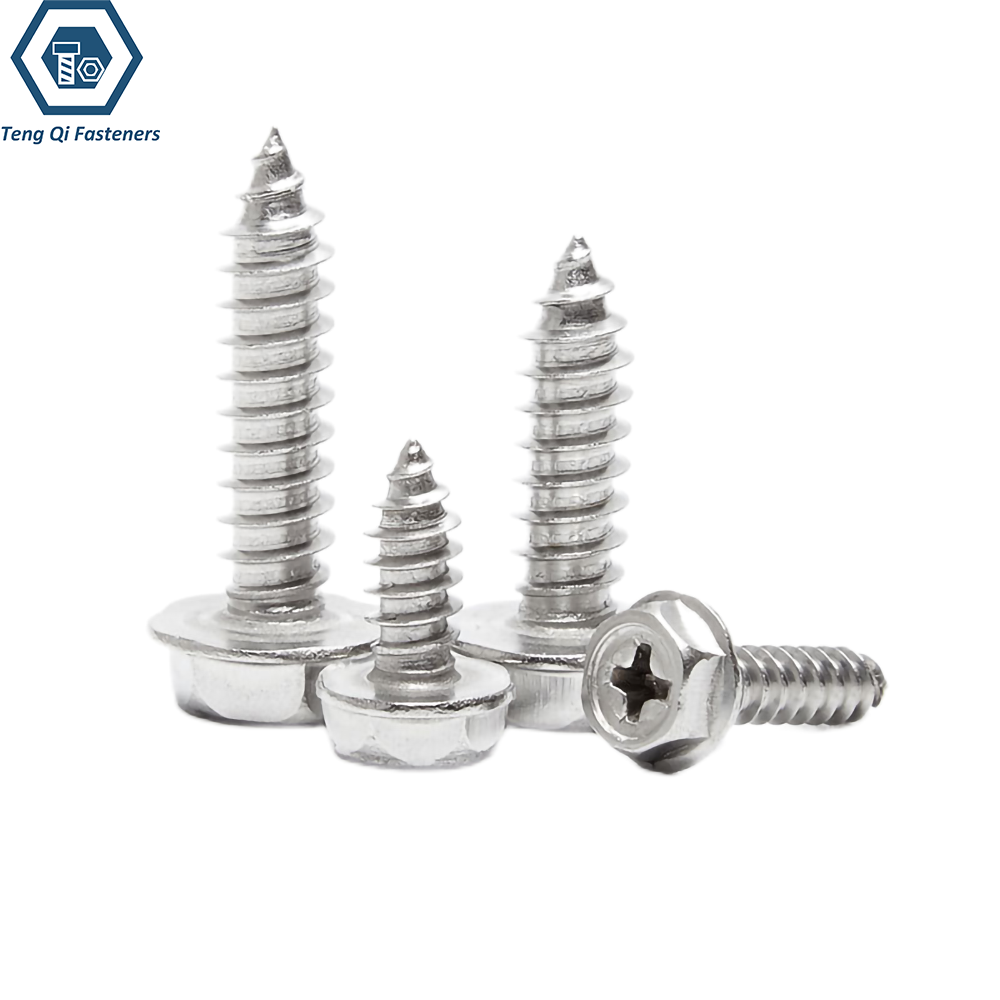
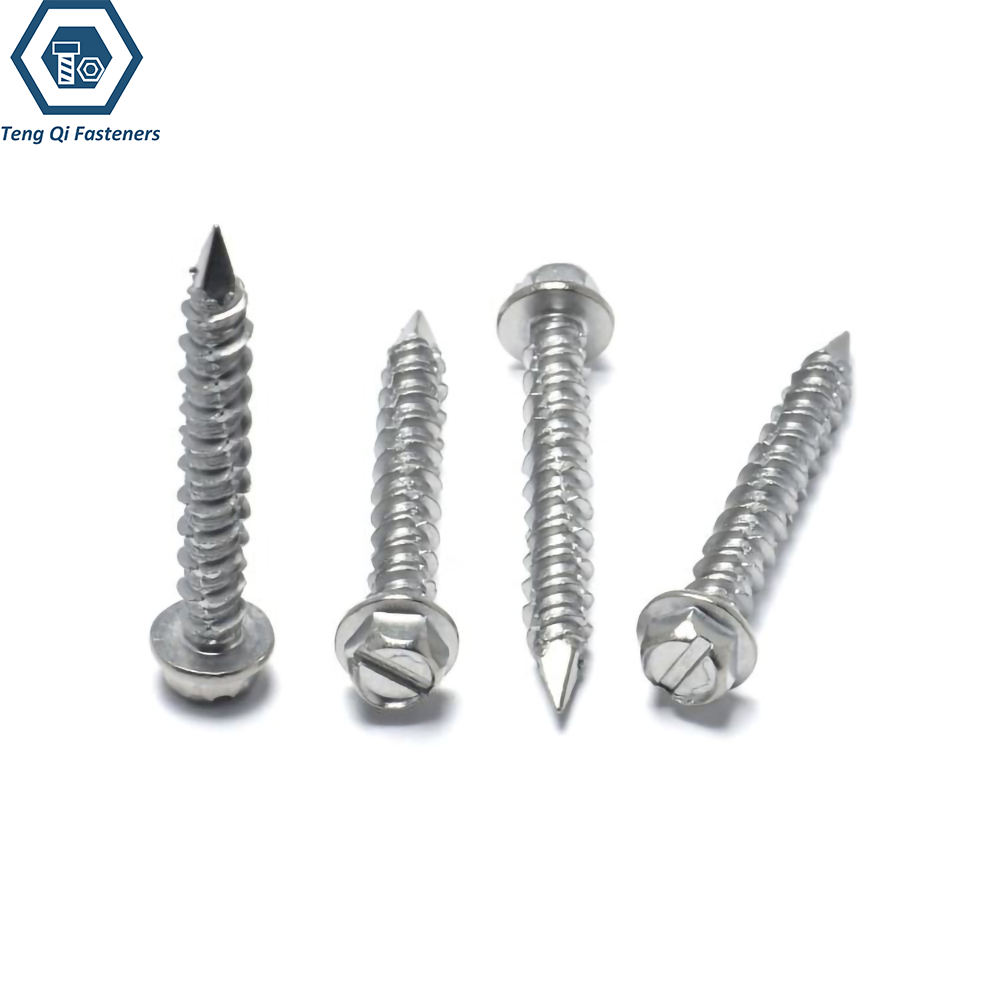
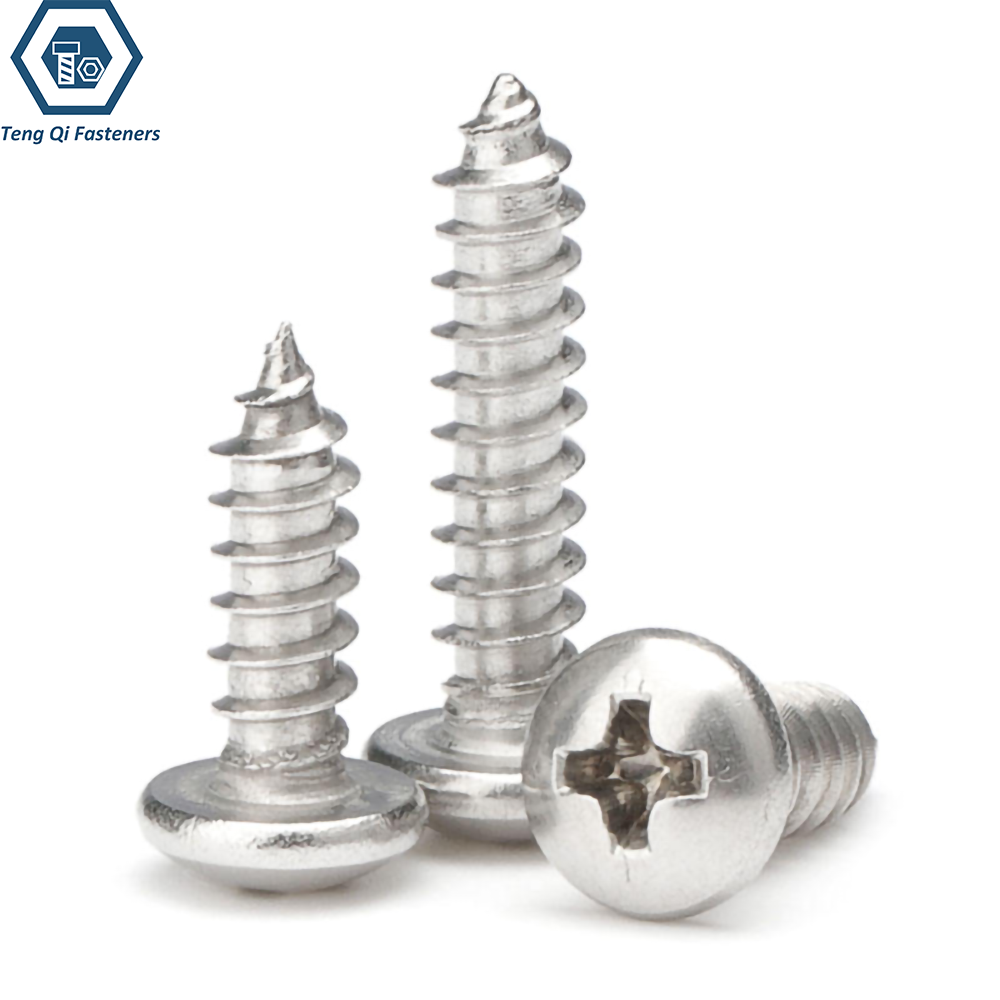
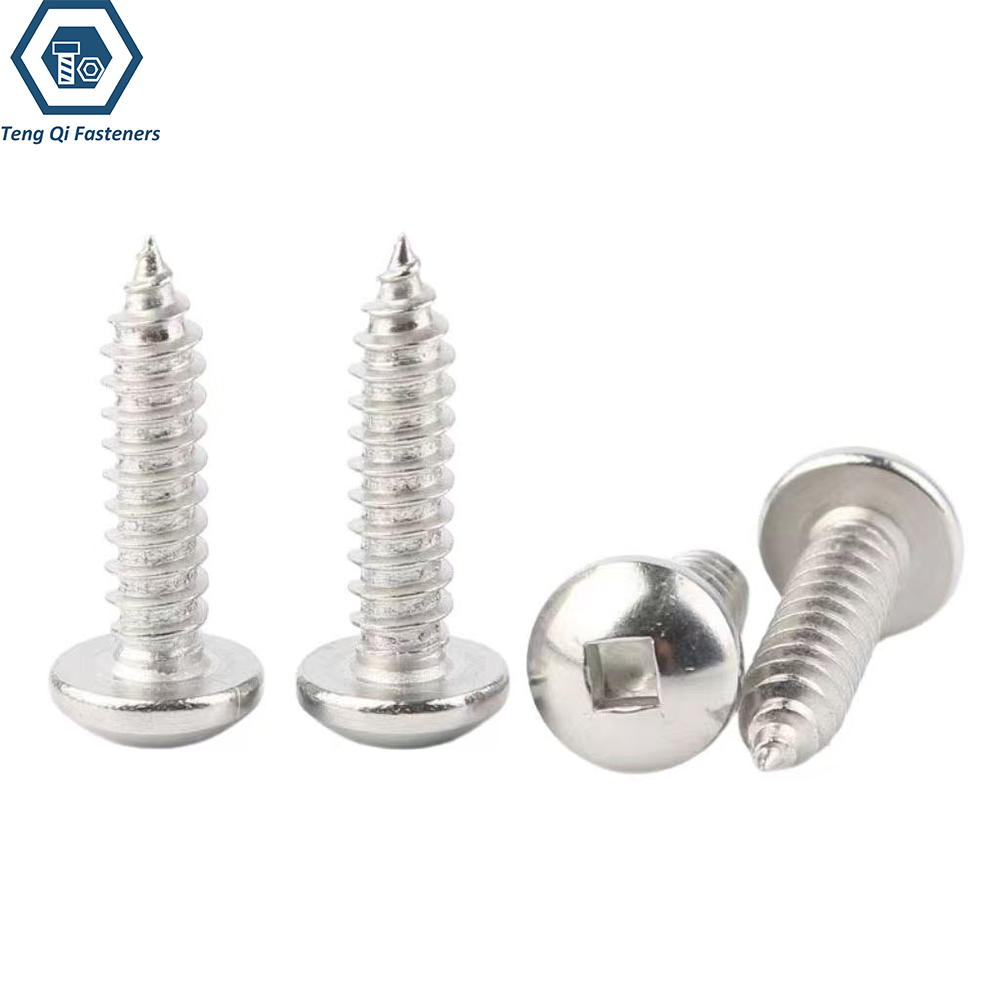
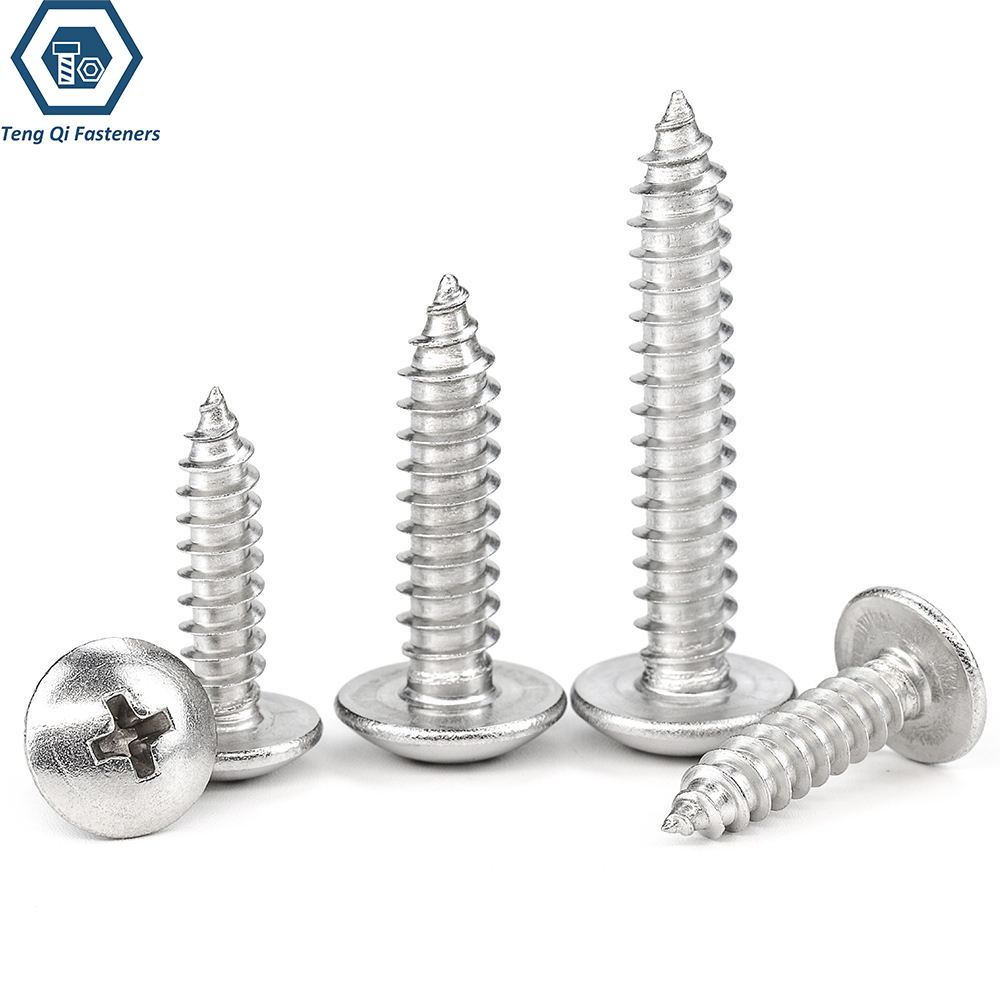
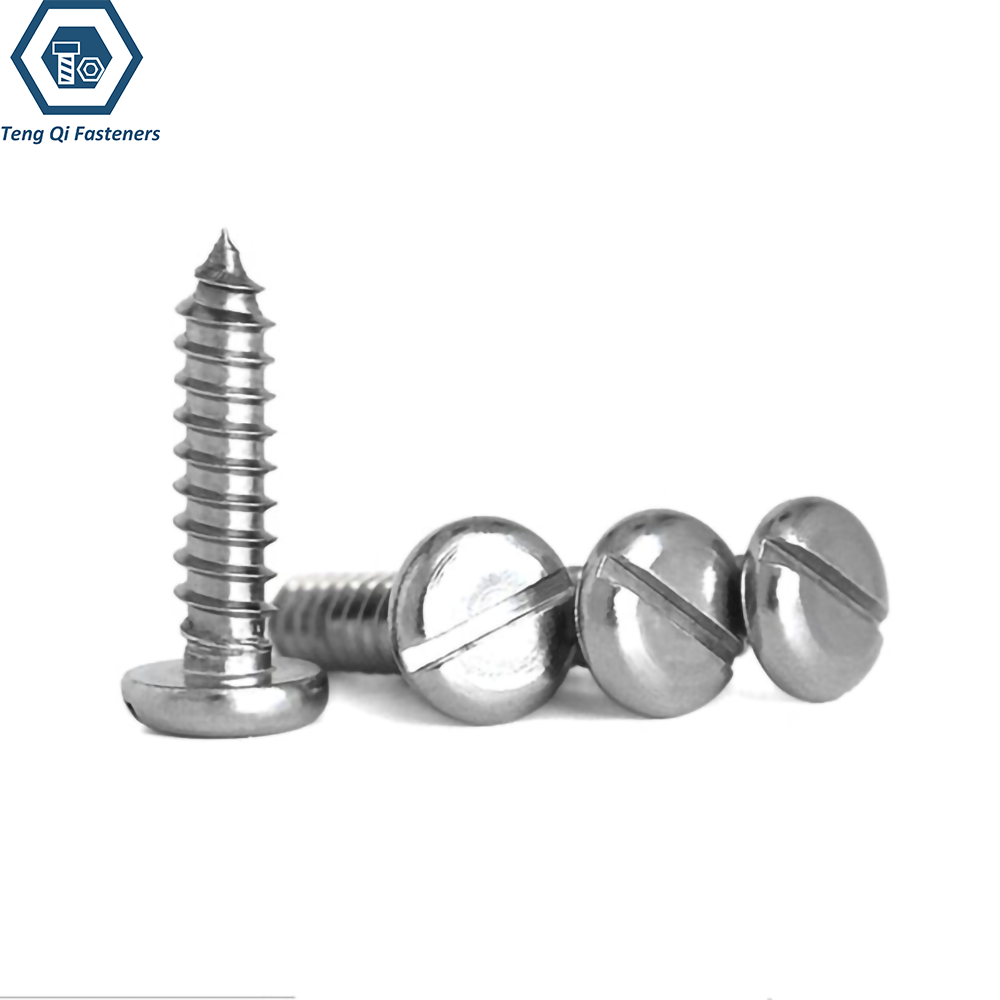
The dimensions of hexagon socket countersunk head cap screws are specified according to the applicable metric or inch standard. For metric sizes, DIN 7991 and ISO 10642 define the principal dimensions, including thread diameter, length, head diameter, head height and hexagon socket dimensions. For inch-series screws, ASME B18.3 specifies the corresponding dimensional requirements for socket countersunk head screws.

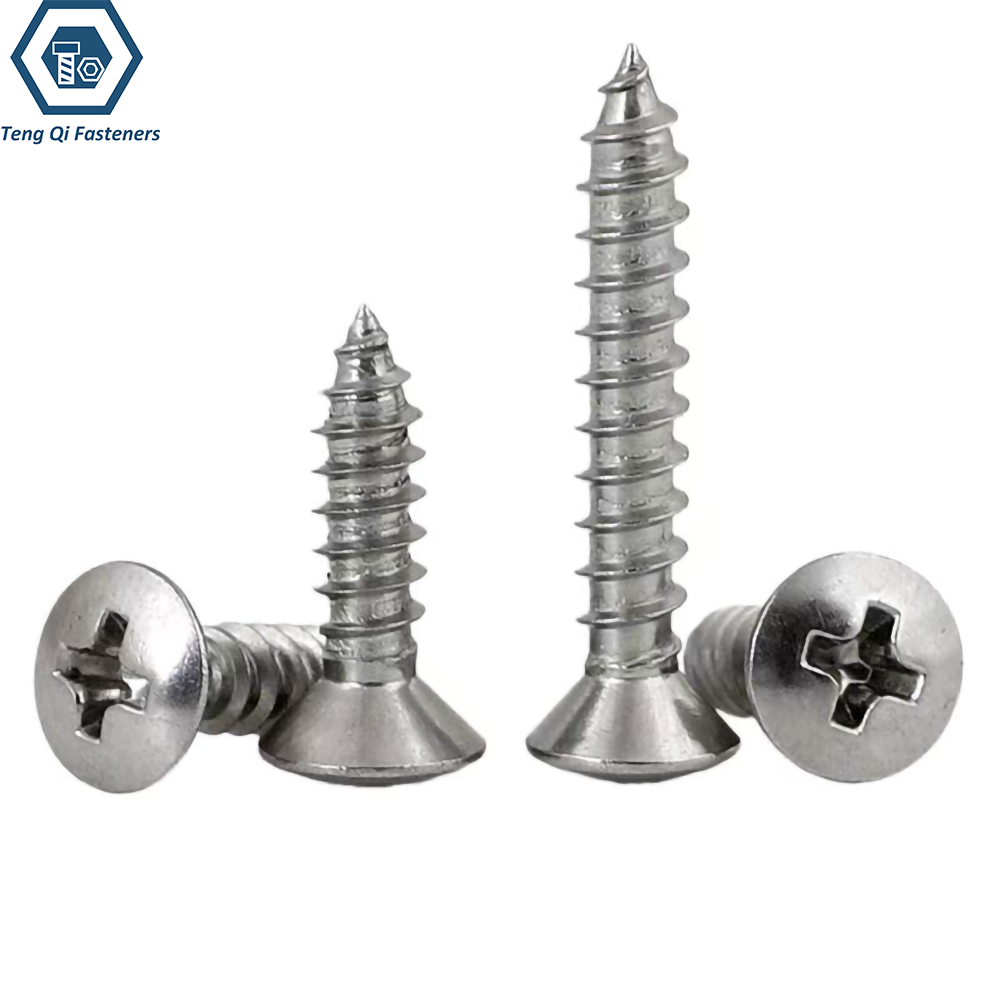
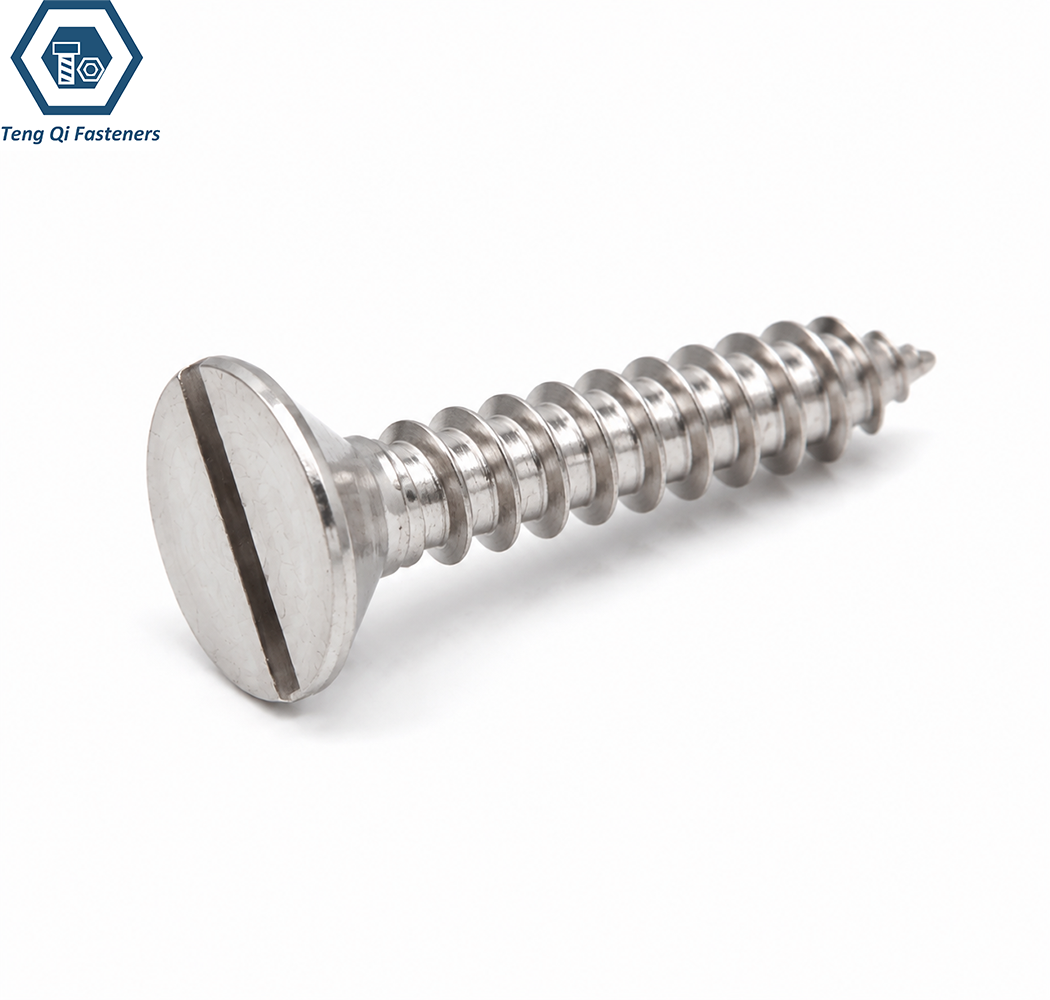
Mechanical Proeprty:
The mechanical performance of self-tapping screws is determined by their ability to form mating threads without damaging their own threads or breaking during installation. Hardness, torsional strength, and thread-forming performance are important factors when selecting screws for different materials and fastening conditions. The applicable requirements depend on the screw material, thread size, heat treatment, and governing standard.
ISO 2702 – Heat-Treated Steel Tapping Screws
ISO 2702 specifies the mechanical and physical properties of heat-treated steel tapping screws. Key requirements address hardness and torsional strength, helping ensure that the screw can form mating threads in suitable sheet metal without excessive thread deformation or breakage during installation. The standard applies to specified metric tapping screw sizes from ST2.2 to ST9.5 in accordance with ISO 1478.
SAE J933 – Steel Tapping Screws
SAE J933 covers mechanical and quality requirements for applicable steel tapping screws, including their performance during installation. Torsional strength is particularly important because the screw must withstand the applied driving torque while forming or cutting a mating thread. The requirements help reduce the risk of screw breakage and thread damage during assembly.
ISO 3506-4 – Stainless Steel Tapping Screws
ISO 3506-4 specifies the mechanical and physical properties of stainless steel tapping screws in designated material grades and hardness classes. Relevant properties include hardness and torsional strength, which influence the screw’s ability to form threads and withstand installation forces. Material grade and hardness class should be selected according to the required mechanical performance, corrosion resistance, and intended application.